“Is Education a Liberator or an Oppressor?” Students, Academics, and Activists
[Cape Town] – The Cape Peninsula University of Technology (CPUT) convened its 2nd Annual Critical Conversation on August 22 at the Bellville Campus, bringing together students, academics, policymakers, and civil society to debate the role of education. The theme was “Beyond Liberation: Is Education a Liberator or an Oppressor in the Struggle for Peace, Gender Equity, and Economic Justice?”
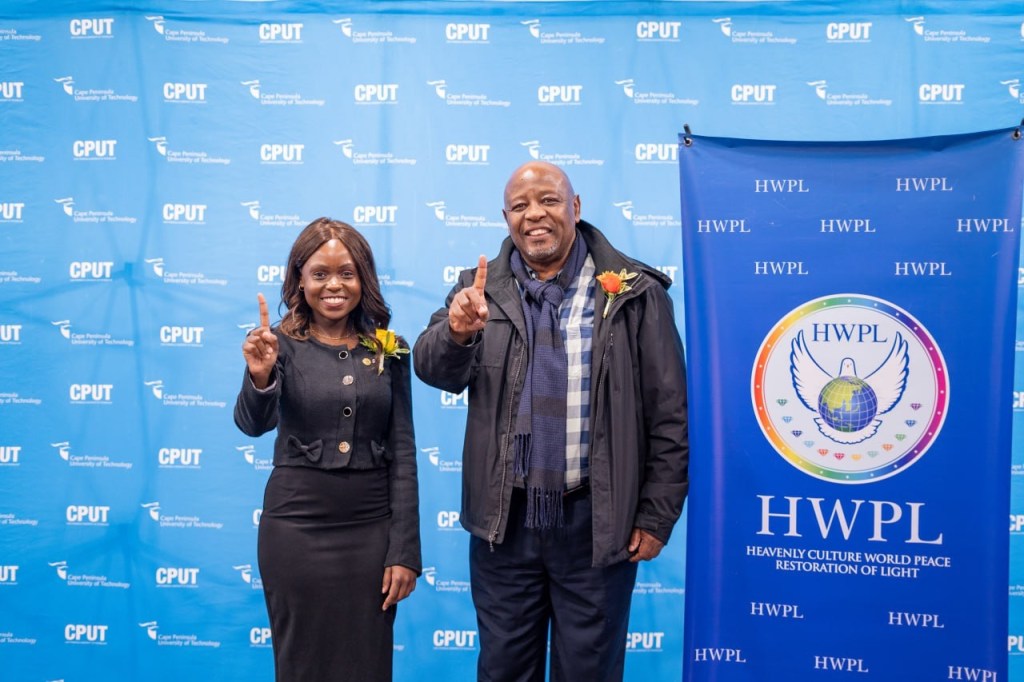
The event coincided with International Youth Day, South Africa’s National Women’s Month, and World Humanitarian Day, adding timeliness and significance to the discussion. It was hosted by the CPUT Central Student Representative Council (CSRC) in collaboration with Heavenly Culture, World Peace, Restoration of Light (HWPL), an international peace organization, alongside other partners.
Opening the session, Vice-Chancellor Professor Nhlapho gave encouraging words to the students gathered, stating, “Live a life of honesty, of honor and the world around you will thank you.” The CSRC followed by affirming students’ demand for an education system rooted in justice, inclusivity, and care.
Speakers highlighted diverse perspectives on education. HWPL’s Rachael Nyirongo stressed the importance of peace education, stating that, “This is the power of peace education, it changes individuals and changes communities. The question is what kind of society are we building for education to flourish in?”
In a keynote address, Deputy Minister in The Presidency Hon. Nonceba Mhlauli urged a reimagining of education beyond employability. “Education can be a catalyst for transformation in our households and in our communities as well,” she declared, calling for systems that disrupt cycles of violence and exclusion while prioritizing dignity, care, and community.
HWPL played a central role in the collaboration, bringing its international expertise in peace education and grassroots advocacy. The organization leads the Legislate Peace Campaign, which promotes the adoption of the Declaration of Peace and Cessation of War (DPCW)—a proposed international legal framework aimed at ending conflict, disarmament, cessation of hostilities, and the protection of religious and ethnic rights. Through initiatives like peace education programs and intergenerational dialogues, HWPL works to cultivate youth leadership and foster sustainable, people-centered peace. Its involvement in the Critical Conversation underscored the importance of linking local educational debates with the global movement for justice and peace.
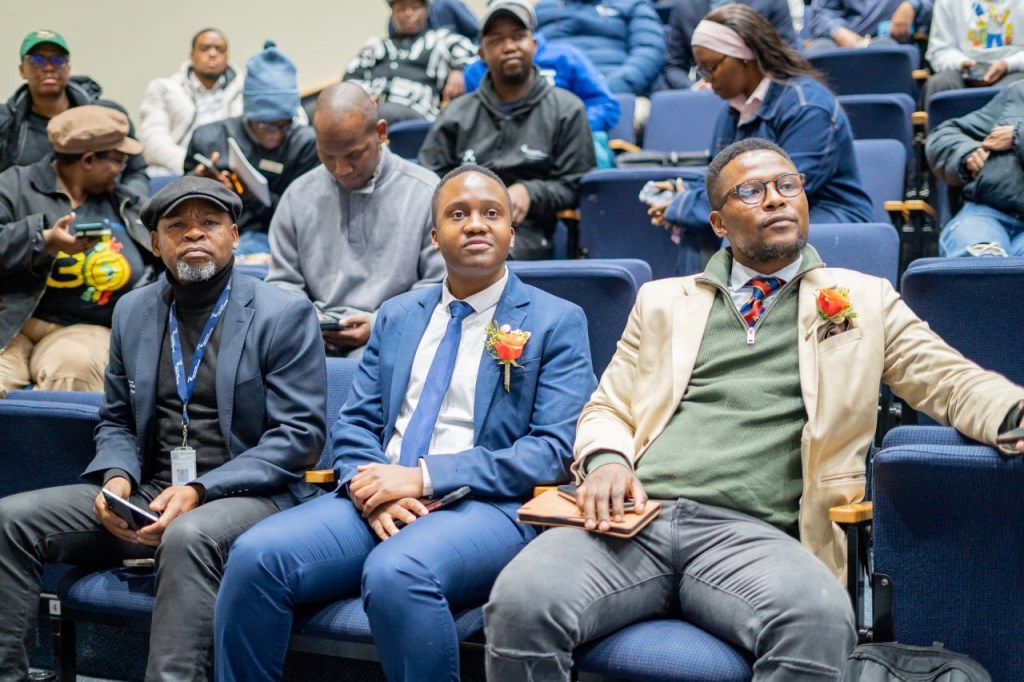
The day’s highlight was a panel discussion titled “Not Yet Uhuru: Decolonizing Education Through Student Activism and Collective Action.” Panelists included Dr. Melanie Swanson (Student Affairs Coordinator in HIV/AIDS), who presented on “Empowering the Forgotten: Rethinking Education to Uplift Women, Youth, and Vulnerable Communities” and Mr. Chumile Samson (South African Youth Council), who spoke on “Youth at the Forefront: Redefining Leadership for Humanitarian and Social Justice.”
Dr. Swanson emphasized the critical role of communication, highlighting its impact across different spheres of student life. She spoke about the importance of personal brand management on social media to enhance employability, and the need to prevent the spread of harmful narratives, likening it to “releasing feathers at the top of a mountain—once scattered, they are nearly impossible to retrieve.” She issued a passionate call to students, declaring “we can do it,” and challenged them to be pioneers not only as future employees but also as business leaders and responsible drivers of societal progress.
Mr. Samson shared a structured framework outlining pillars for a thriving education system, including Capability and Mobility as key drivers. Following challenging questions and remarks from the audience, he expanded on these points, offering practical insights on issues raised during the discussion. He emphasized the importance of strengthening student-led organizations and went further to suggest that institutions and organizations reassess their financial models—even restructuring income sources if necessary—to better support and sustain student-driven initiatives.
As the host institution, CPUT reaffirmed its commitment to being a site of transformation and inclusive dialogue. The university has positioned itself as a platform where students and partners from diverse backgrounds can critically examine pressing social issues while building pathways toward peace, justice, and equality. Through initiatives like the Critical Conversation series, CPUT continues to play a leadership role in fostering debates that link academia to activism and policy change.
In closing remarks, CSRC representative Aphiwe thanked all participants for joining the event and reminded participants that peace, gender equity, and economic justice are lived experiences, not abstract ideals. The MC shared, “It’s clear that this event has highlighted that the education system has a lot of potential but also still has a lot of problems to overcome.”
The 2nd Critical Conversation concluded with a shared commitment to take insights beyond the campus and into broader partnerships, policymaking, and educational culture, with the aim of advancing justice and unlocking the leadership potential of South Africa’s youth.

 ROYALE MEDIA NEWS